Centro & Historic Rio
Lapa
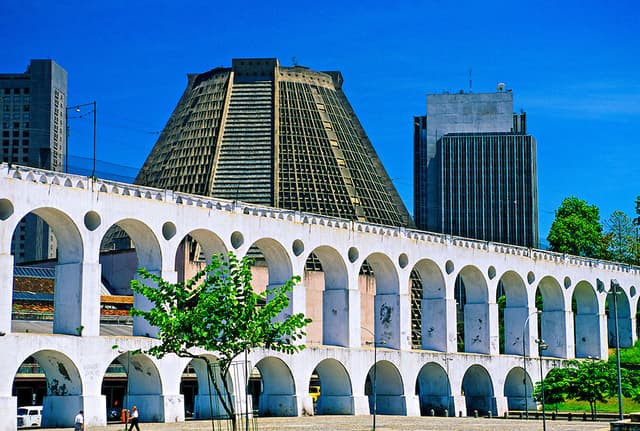
Rio's nightlife institution, anchored by the Arcos da Lapa aqueduct.
Why It's Beautiful, and Why You Should Visit
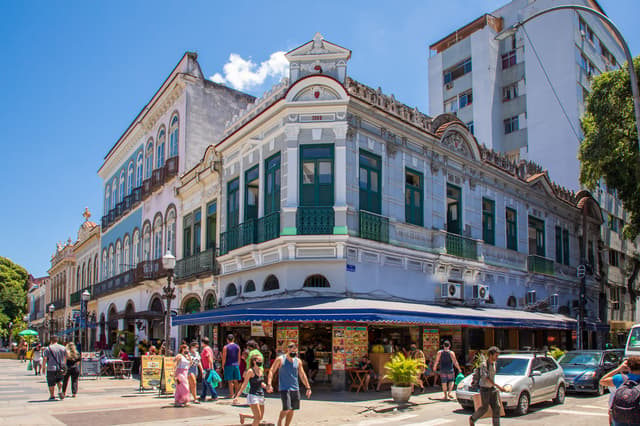
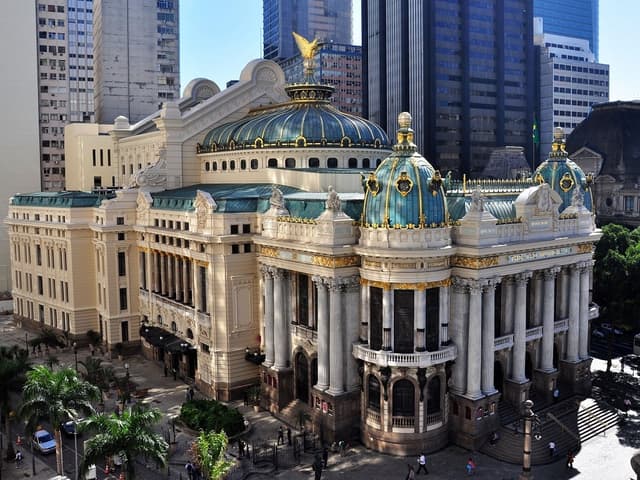
Lapa is the bohemian, nocturnal heart of Rio de Janeiro, sitting right in the city's central district. Its most photographed landmark is the Arcos da Lapa (the Aqueduto da Carioca), an imposing eighteenth-century colonial structure that still carries the beloved little tram up to Santa Teresa. By day, the neighborhood plays out like an open-air museum: the Catedral Metropolitana de São Sebastião, the Igreja Nossa Senhora do Carmo da Lapa do Desterro, the Passeio Público (one of Brazil's first public gardens), and the historic Escola Nacional de Música, alongside the Arcos already mentioned. By night, Lapa transforms into Brazil's undisputed capital of samba and live music, its bars, roda de samba gatherings, and storied venues like Circo Voador and Fundição Progresso spread across thirteen streets dedicated almost entirely to nightlife. It's telling that, according to dating app Happn's 2025 year-end retrospective, Lapa came out as the neighborhood with the most user interactions anywhere in Rio, ahead of both Copacabana and Botafogo, an informal but effective measure of just how alive the place still feels.
A Bit of History
The neighborhood was originally conceived with rather genteel ambitions, meant to house members of the Portuguese royal family who relocated to Rio in the nineteenth century. But its truest and most lasting identity was forged in the 1920s, when Lapa became the nocturnal kingdom of Rio's "malandros", hustlers and rogues, amid speakeasies, revue theater, and the earliest stirrings of urban samba. That boehemianism, born almost in defiance of the era's respectability, never really went out: after decades of ups and downs, the last twenty years have brought a gradual architectural and urban recovery led by municipal authorities, preserving the neighborhood's historic fabric almost intact even as it once again became a magnet for both cariocas and tourists.
The Real Estate Market: 2020 to 2026
Lapa's residential real estate market is smaller than the beach neighborhoods, since much of the urban fabric here leans commercial, cultural and nocturnal, with historic buildings often given over to venues, hotels and shared spaces rather than straightforward housing. That said, the neighborhood is fully riding the wider revaluation of central Rio triggered by the municipal Reviver Centro program, which since 2021 has encouraged converting underused commercial buildings into housing and unlocked fresh investment across the Centro-Lapa-Glória-Santa Teresa corridor. The most dramatic example of this dynamic is playing out in nearby Santa Teresa (up 33% in the first half of 2025 alone, according to a Loft analysis), a spillover effect Lapa benefits from indirectly, increasingly sought after by investors buying small units for short-term tourist rental given its strategic position between downtown, the Zona Sul and Santa Teresa.
Interest From Foreigners and Locals Alike
For cariocas, Lapa is above all a cultural symbol and a place to socialize, rather than a top residential choice. For foreign tourists, on the other hand, it's often the essential stop for experiencing an authentic night of carioca samba, which is gradually fueling tourism-driven property demand, short-term rentals, boutique hotels in historic buildings, alongside the traditional residential market. The combination of colonial heritage, world-famous nightlife, and proximity to downtown's ongoing renewal makes Lapa one of the neighborhoods in Rio with the greatest cultural upside, even if its real estate value remains less "financialized" than Ipanema's or Copacabana's.
Main sources: ZapImóveis (neighborhood guide); BlaBlaCar Blog, 2026 Lapa tourist guide; Loft/Portal Loft; Time Out Rio de Janeiro (2025 Happn retrospective); InfoEscola; EducaPes/Capes (study on nightlife and bohemia). Data and articles 2025-2026.
Getting Here
Lapa has no metro station of its own. The nearest is Cinelândia, about a 10-12 minute walk away, or a short, cheap Uber. Most people arrive by taxi or rideshare at night rather than walking, especially after dark.
Thinking about renting or buying in Lapa?